


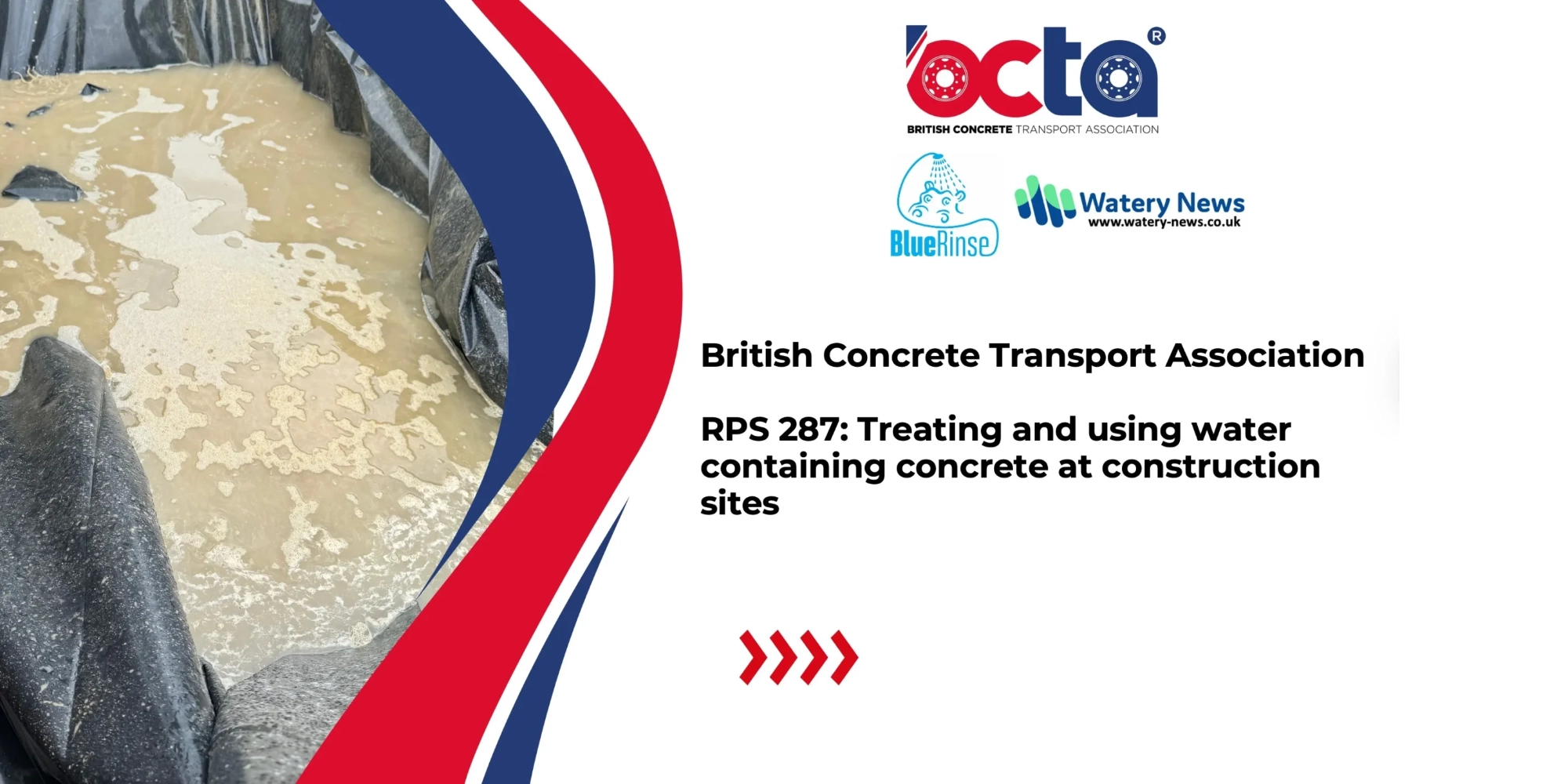
Industry Leaders Push for Clearer Standards on Concrete Wash Water Management
Industry Leaders Push for Clearer Standards on Concrete Wash Water Management The British Concrete Transport Association (BCTA) brought together key
SAFETY ALERT
Uncontrolled Concrete Mixer Spills and Concrete Wash Water Escapes on the Public Highway
Reportable RIDDOR Dangerous Occurrences
Date: 1 May 2026
Purpose
The Health and Safety Executive has given formal written clarification that an uncontrolled escape or spillage of wet concrete or residual concrete wash water from a mixer vehicle on the public highway is a reportable dangerous occurrence under RIDDOR 2013 Regulation 7 and Schedule 2, paragraph 27 — even when no injury occurs.
HSE’s Summary
“To summarise, this dangerous occurrence should be reported to HSE and does not trigger the road-traffic exemption detailed.”
Critical Safety Warning – Drum Speed Conflict
A common industry practice of increasing drum rotation speed to reduce spillage (especially with high-slump mixes or full loads) directly contradicts most mixer manufacturers’ safety recommendations (typically 1–2 RPM or low RPM during road transport).
This practice is dangerous, non-compliant with the manufacturer’s operating instructions, and materially increases the risk of a rollover.
Higher drum RPM pulls concrete higher up the drum sides, shifts the centre of gravity, and significantly raises the likelihood of a mixer rollover on corners, roundabouts, hills, or during sudden manoeuvres. Most mixer manufacturers explicitly recommend low RPM during road transport for stability.
BCTA Position
Action Required
Supporting documents are currently being developed and will be available for non-members from the BCTA on request.
For further information or support, contact:
Mark Cowan Transport & Concrete Advisor British Concrete Transport Association m.cowan@britishconcrete.org | 0330 043 9270
Disclaimer:
This guidance has been prepared by the British Concrete Transport Association (BCTA) in response to the Health and Safety Executive’s formal written clarification dated 30 April 2026.
BCTA is only able to provide generic information and sector guidance on health and safety issues and cannot give specific advice on individual cases, as the circumstances of each individual situation will be different. Any views given by us on the interpretation of the Regulations represent our best judgement at the time, based on the information available. Ultimately, only the courts can give an authoritative interpretation of the law when considering the application of the Health & Safety at Work etc. Act 1974 and the Reporting of Injuries, Diseases and Dangerous Occurrences Regulations 2013 (RIDDOR).
Organisations remain fully responsible for ensuring that this guidance is appropriately applied to their own operations and should seek independent legal or professional advice tailored to their specific circumstances where required.
BCTA is not responsible for, and cannot guarantee, the accuracy or application of this guidance to any particular set of facts or the outcome of any specific incident.

Industry Leaders Push for Clearer Standards on Concrete Wash Water Management The British Concrete Transport Association (BCTA) brought together key
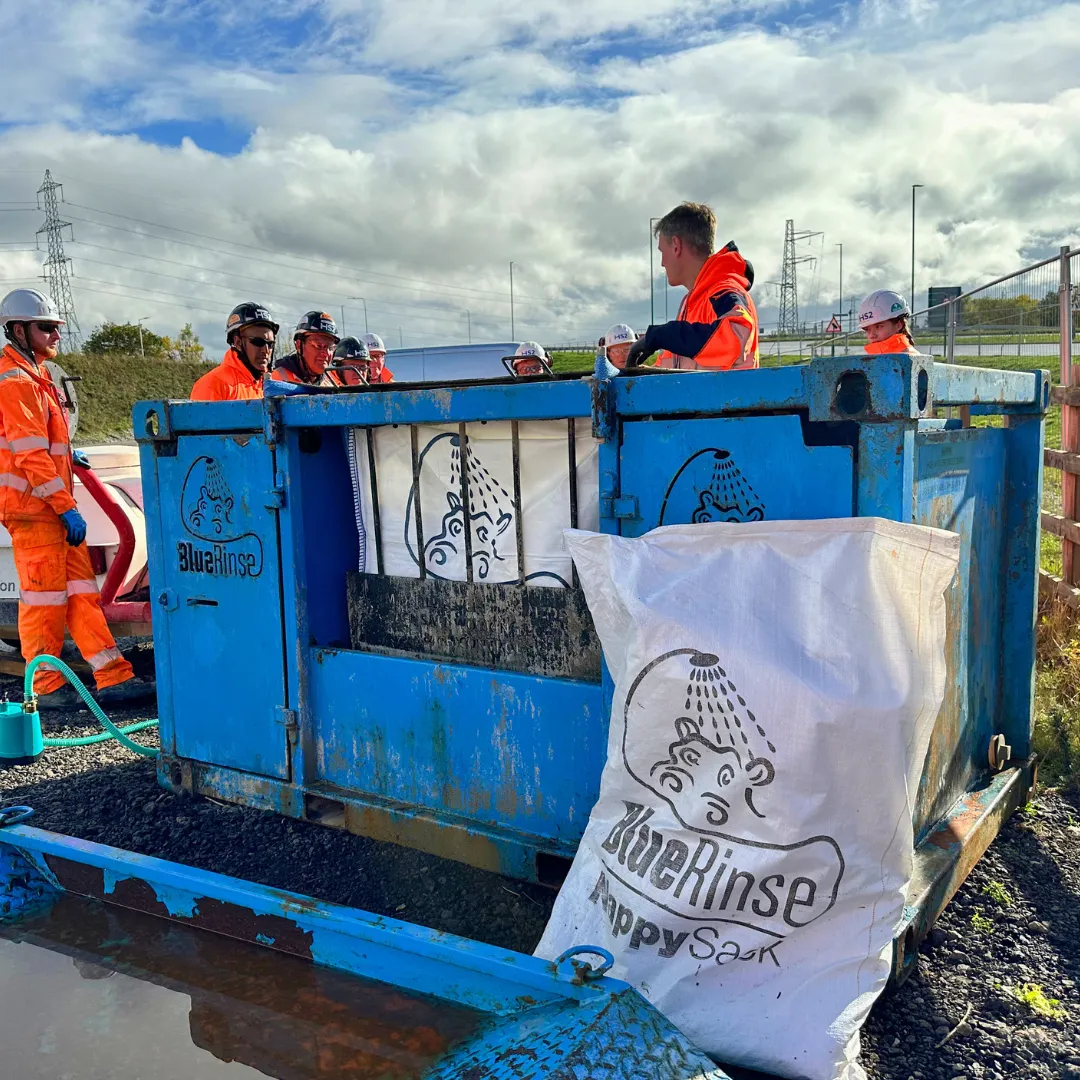
BlueRinse Concrete Washout Systems was proud to support the delivery team on one of the HS2 (High Speed Two) projects,
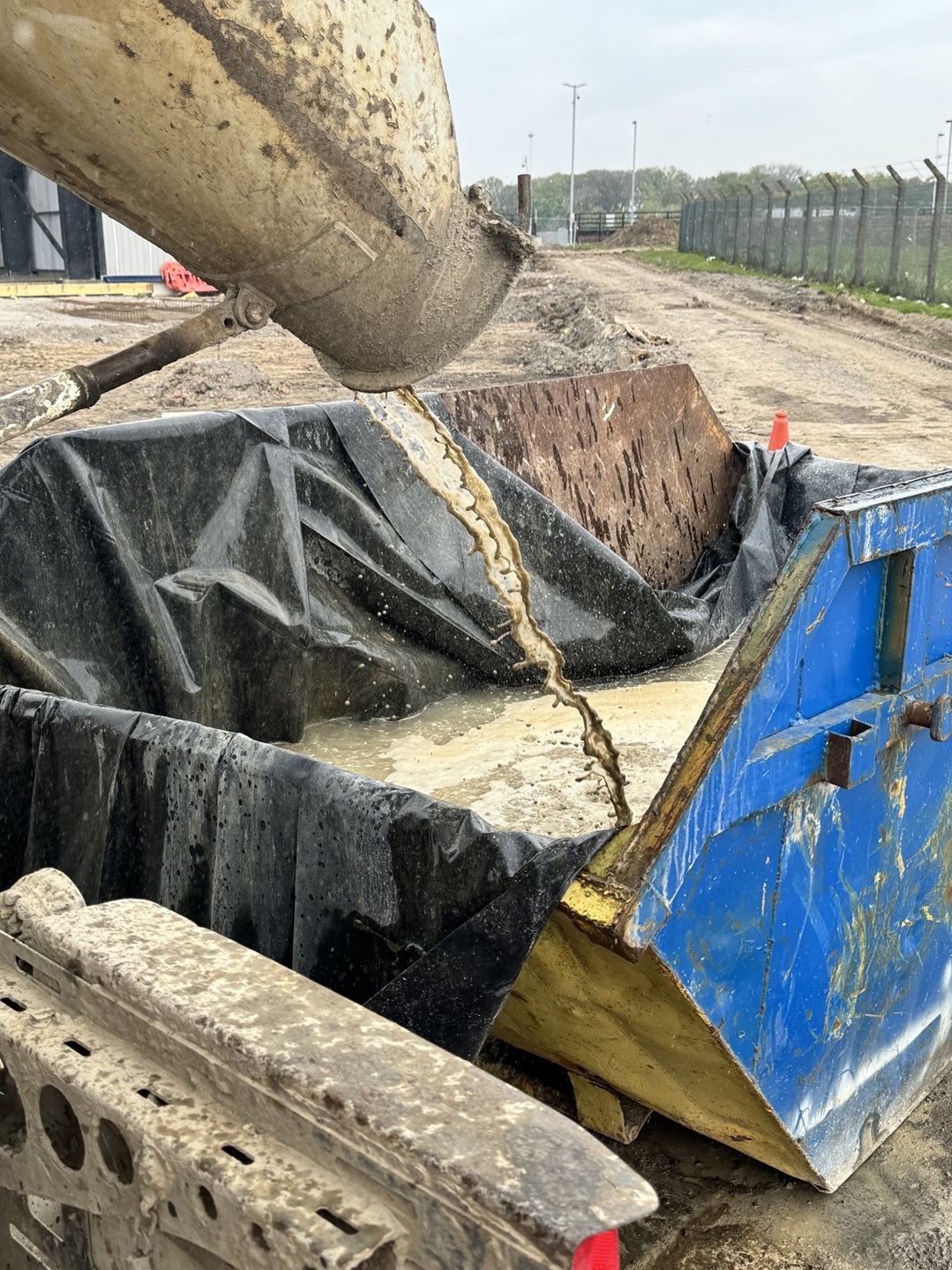
The British Concrete Transport Association (BCTA) has released a guidance document on the crucial issue of off-site disposal of concrete
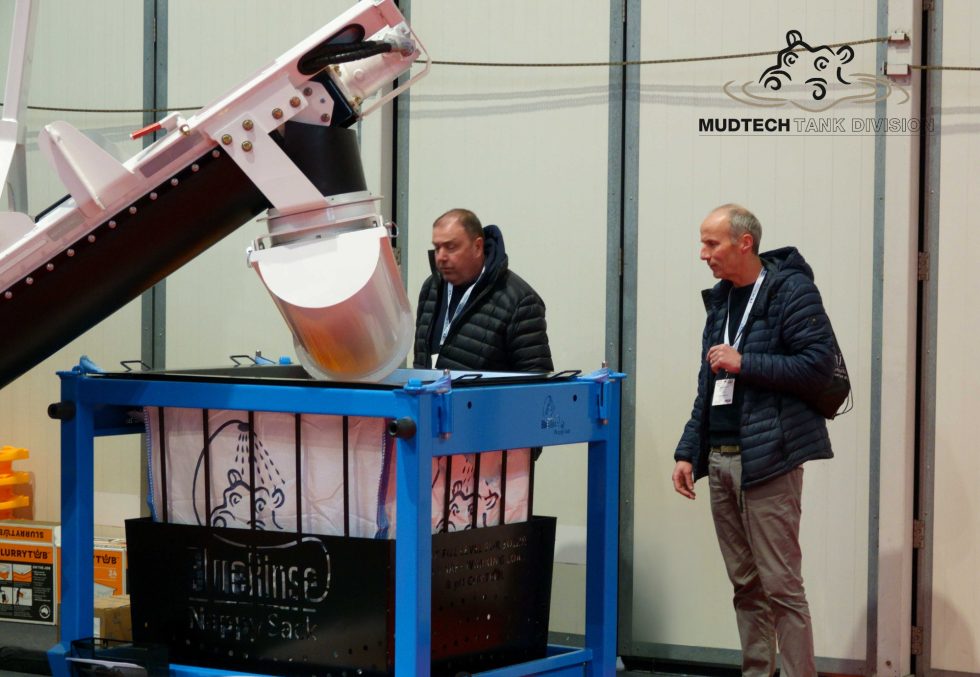
BlueRinse® Announce A New Strategic Partnership with Bay-Lynx Manufacturing BlueRinse® (MudTech Tank Division®) are thrilled to announce its newest strategic